
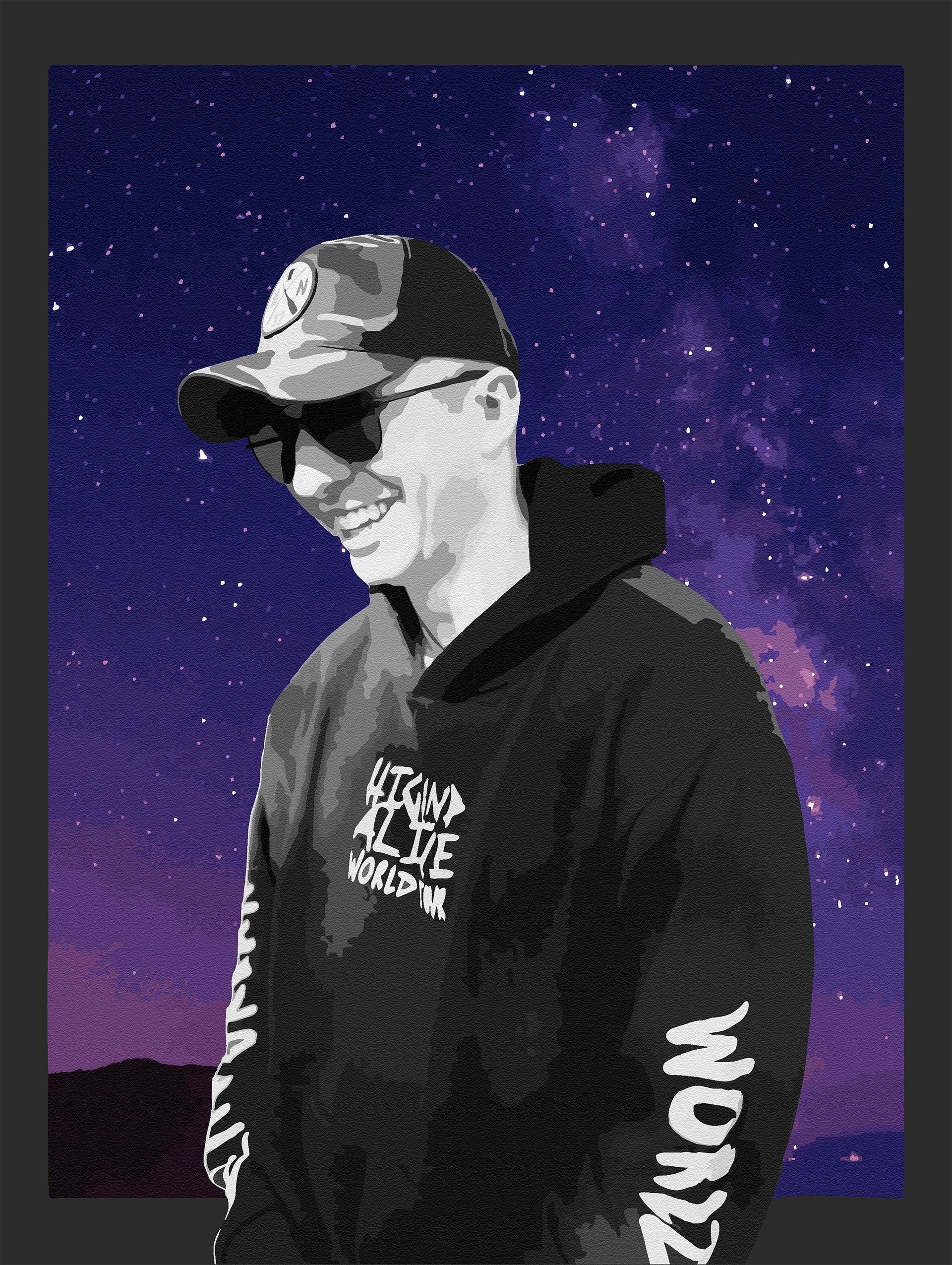
Outside my work, I enjoy spending time with family and friends; enjoying the beautiful outdoors of Minnesota; playing the guitar; practicing yoga, meditation, and mindfulness; playing games and livestreaming with friends; managing the gaming community "Task Force Timberwolf"; and doing a whole lot of cooking great food with good company! I love to laugh, to discover new things, and to embrace my inner child - something I think is key to maintaining creativity and levity in life. I have a great respect for science and history and love reading and learning about both.
Key to my life philosophy is the idea that everything happens for a reason. Whether it be an obstacle, challenge, high or low moment, every experience in life is something we can learn from and grow through.
I am grateful to have had many opportunities to work on some exciting projects over the past few years. Below are some featured examples of work I would like to share:
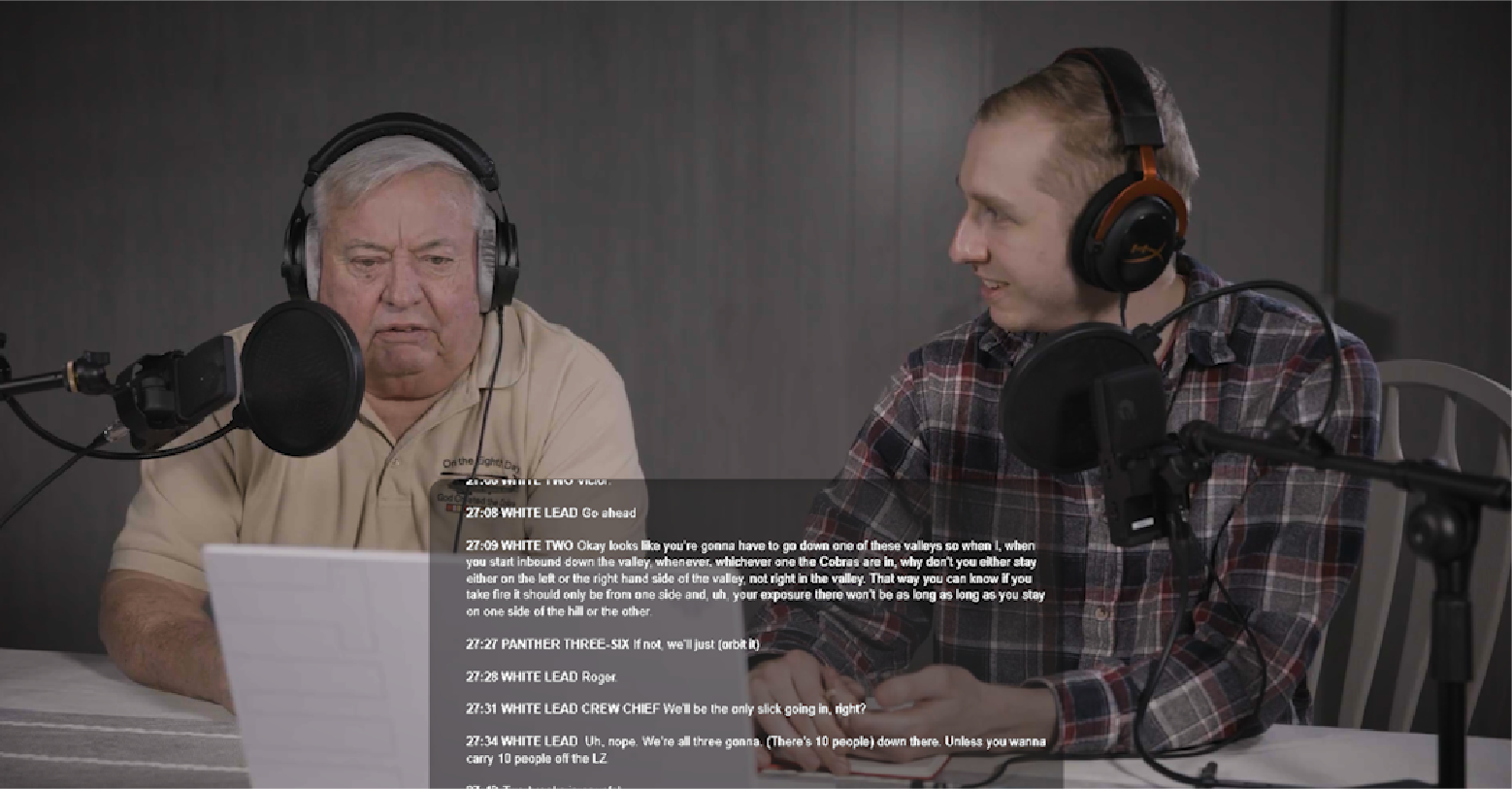
Join CW3 Woody Woodard as he breaks down moment-to-moment his experiences flying a white-knuckle mission to rescue two MACV-SOG recon teams in peril in January 1971.

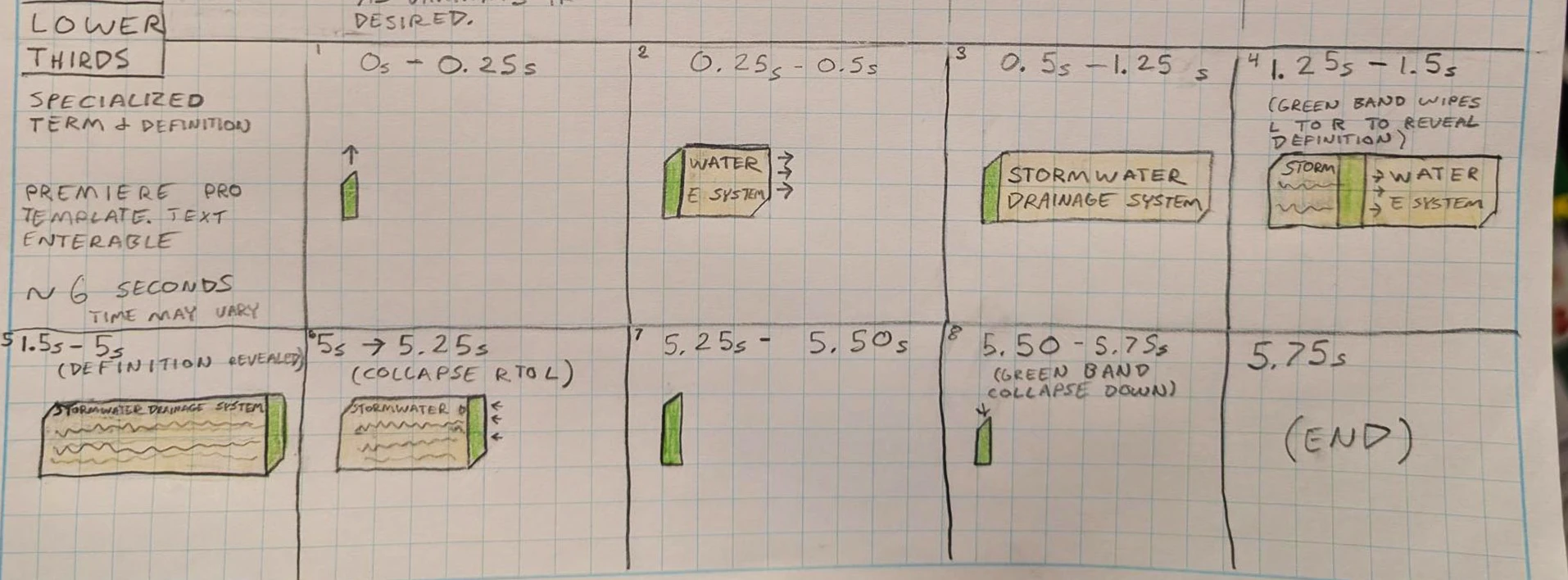
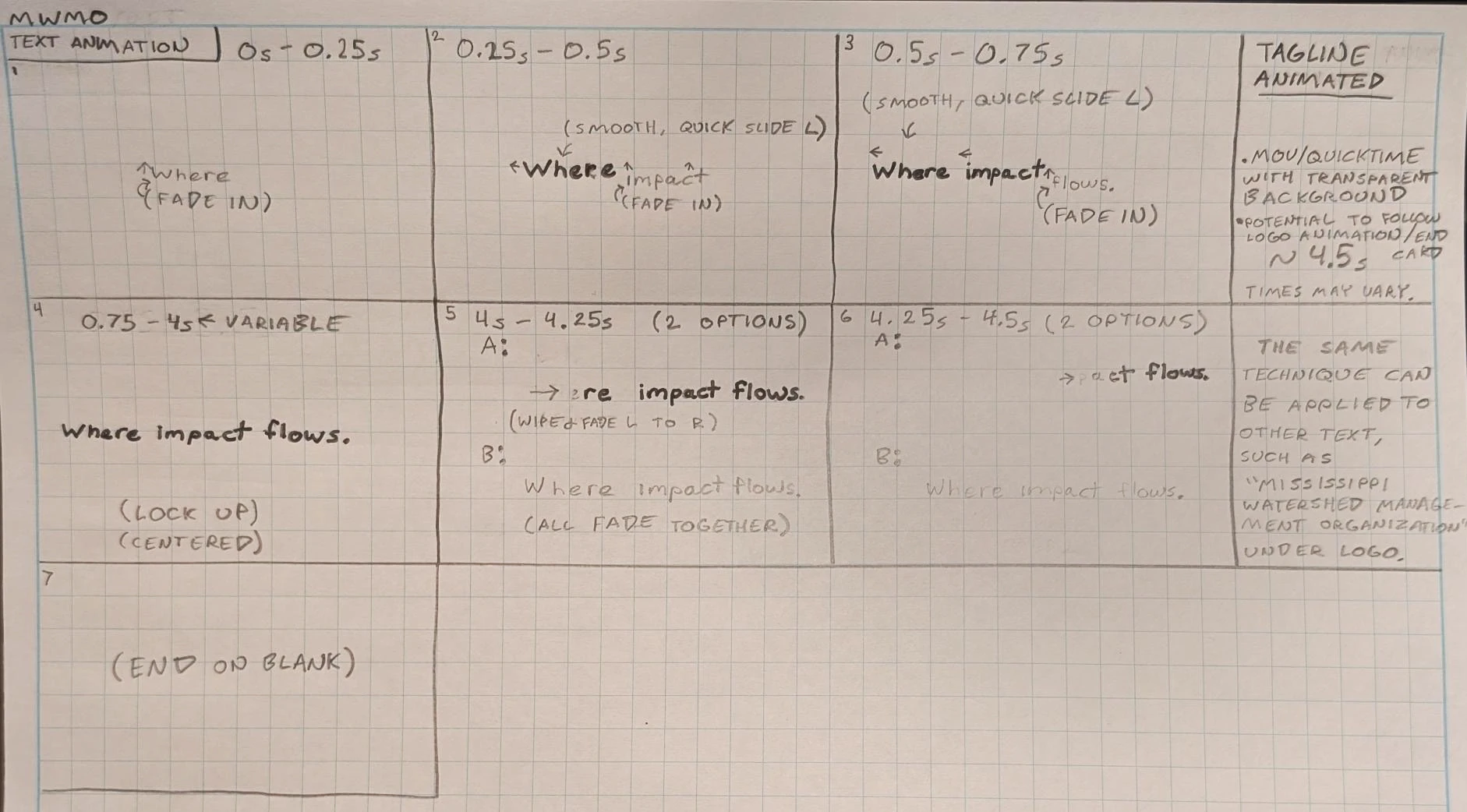
Multiple animations I made for the Mississippi Watershed Management Organization, including of their logo and lower thirds. Motion graphics are one of my favorite types of work!
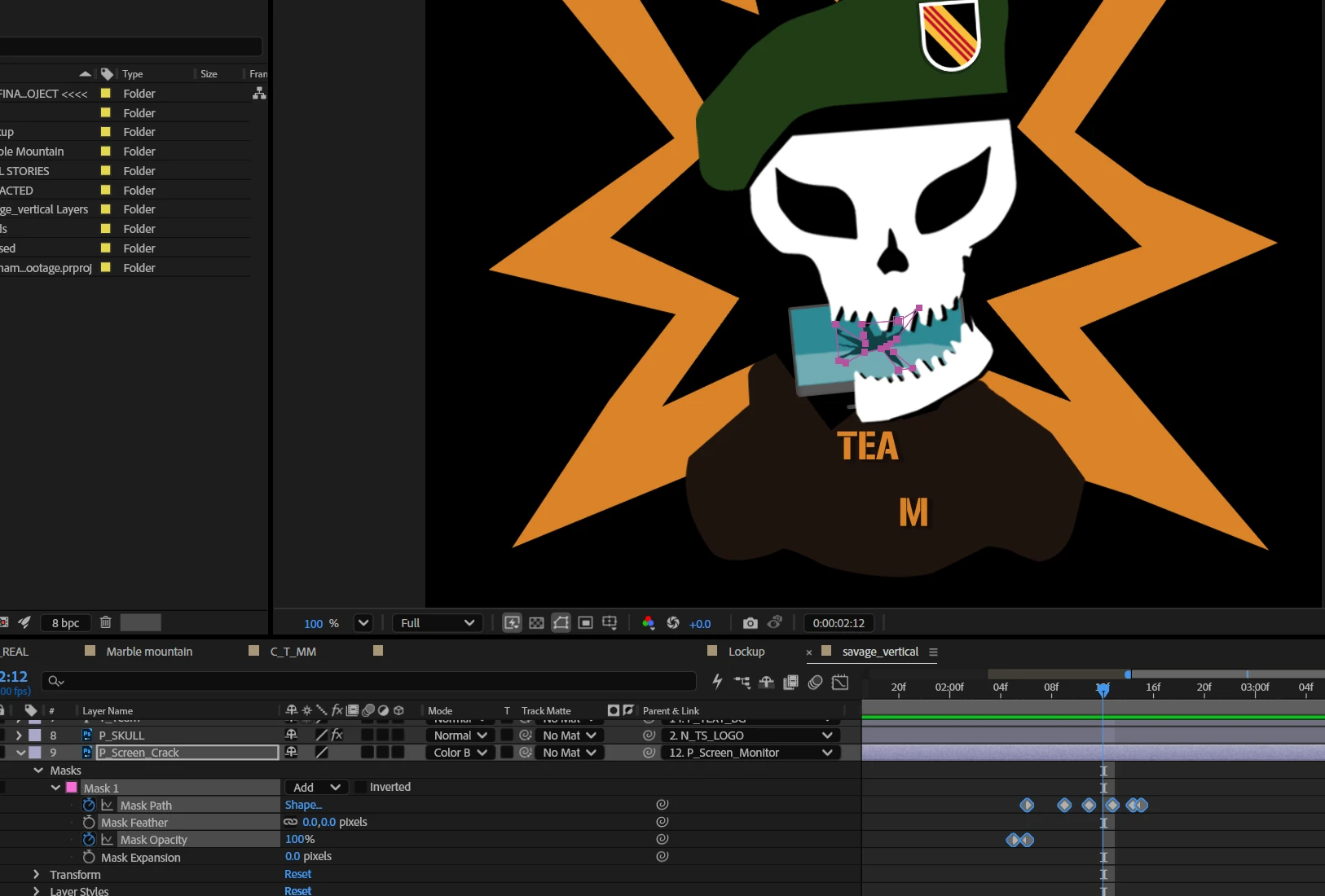
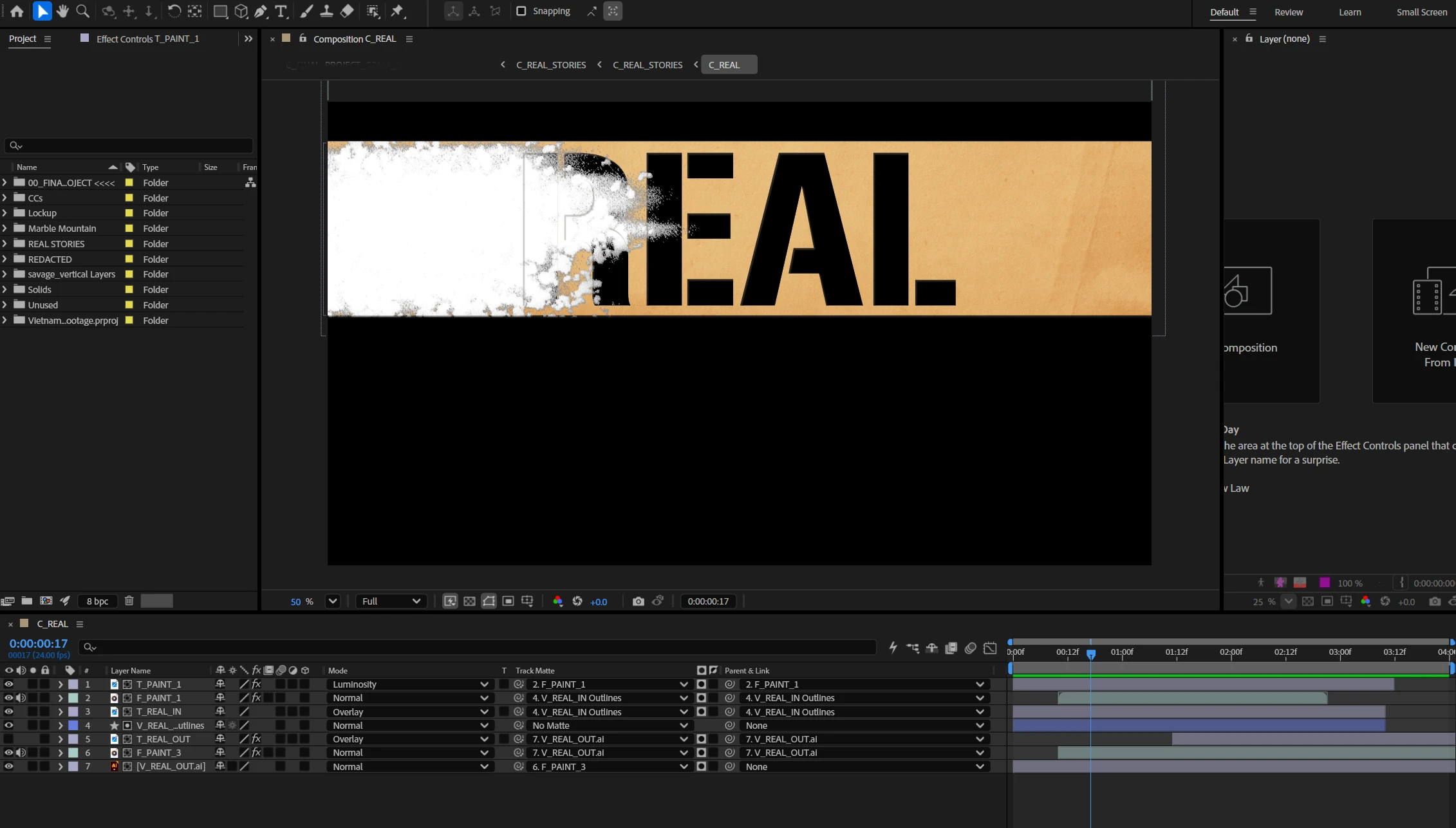
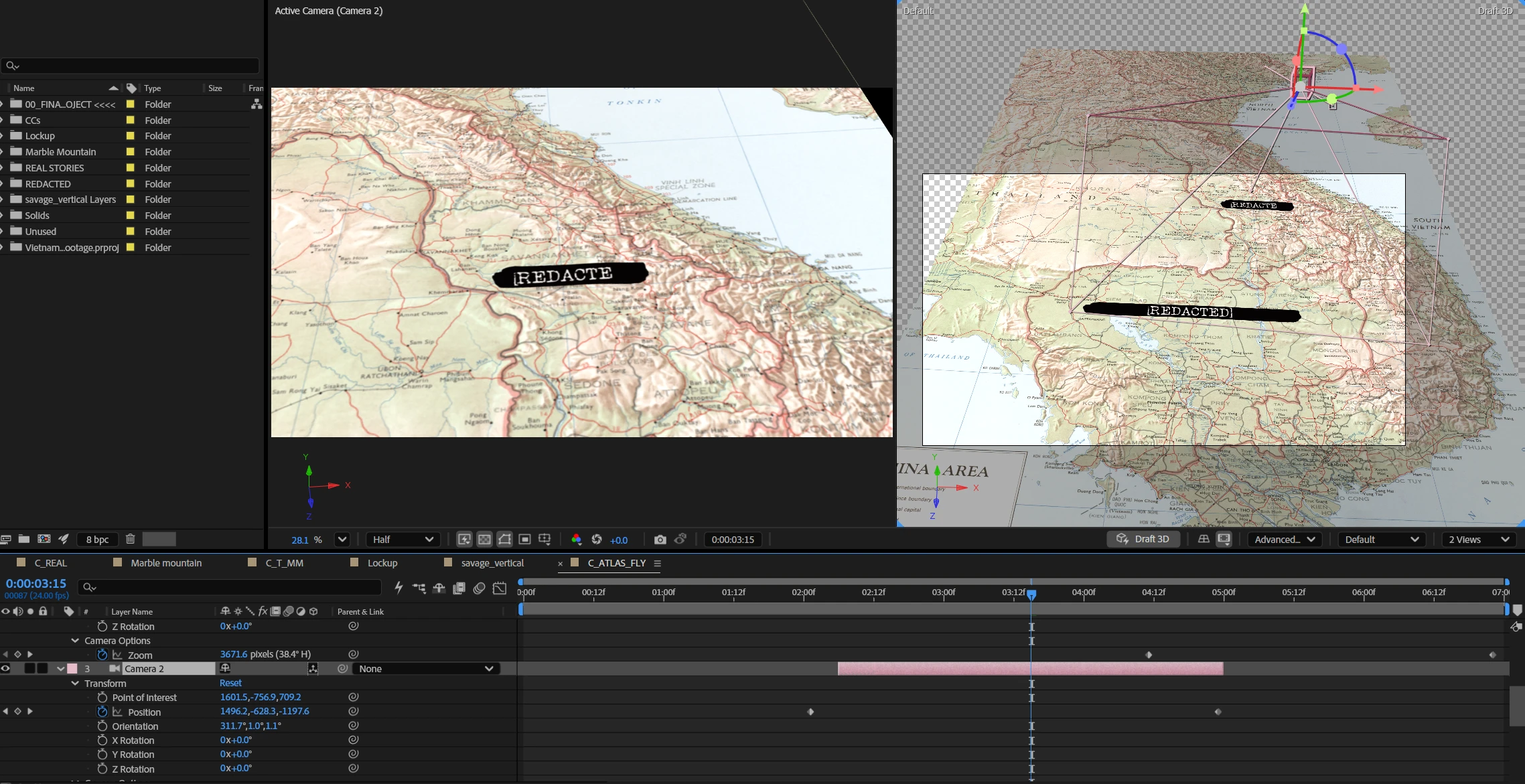
Title sequence for Vietnam War interview series - complete with motion graphics animations, music from S.O.G. Prairie Fire, and historical footage.
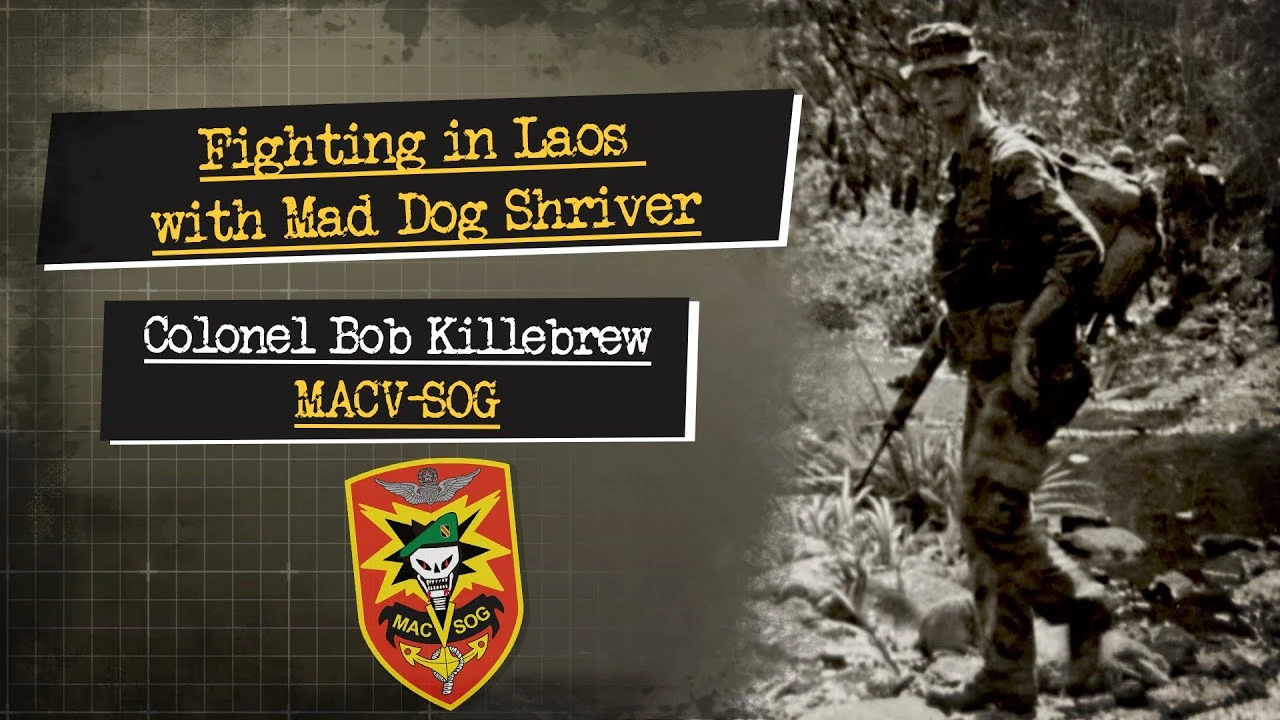
A rare firsthand account from Bob Killebrew offers an inside look at the legend of Jerry “Mad Dog” Shriver and the realities of MACV-SOG operations in Vietnam.
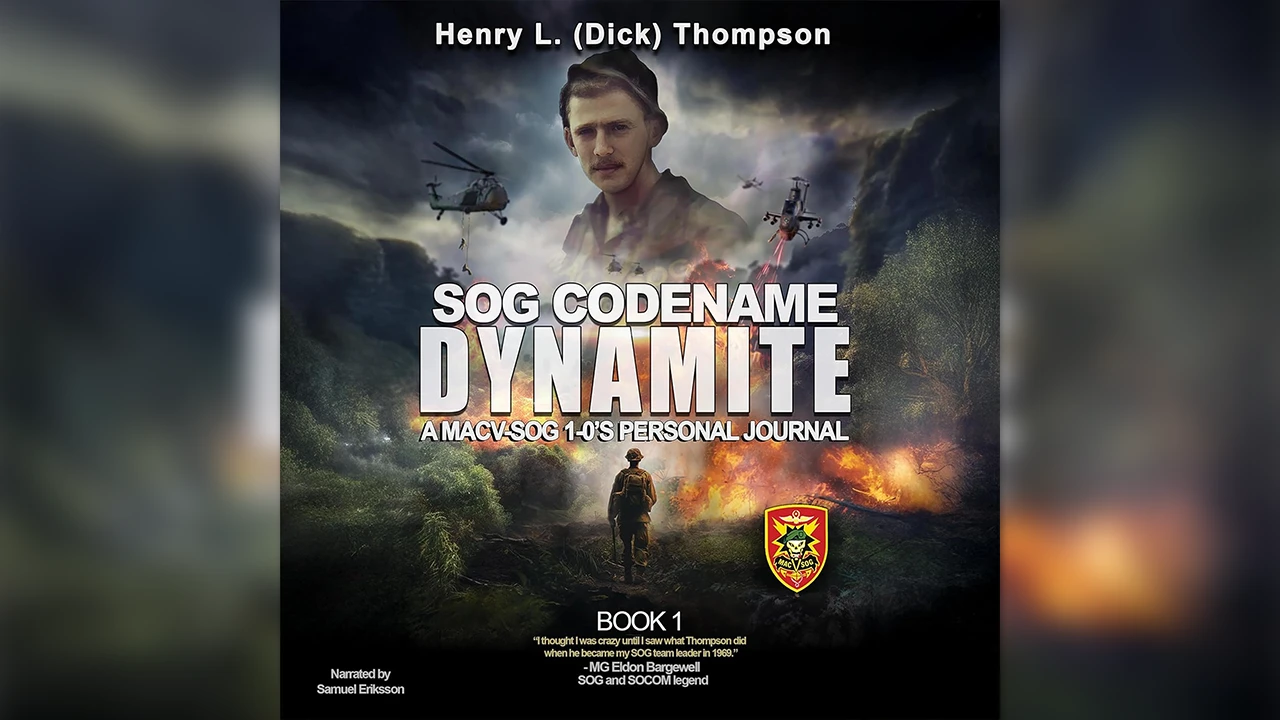
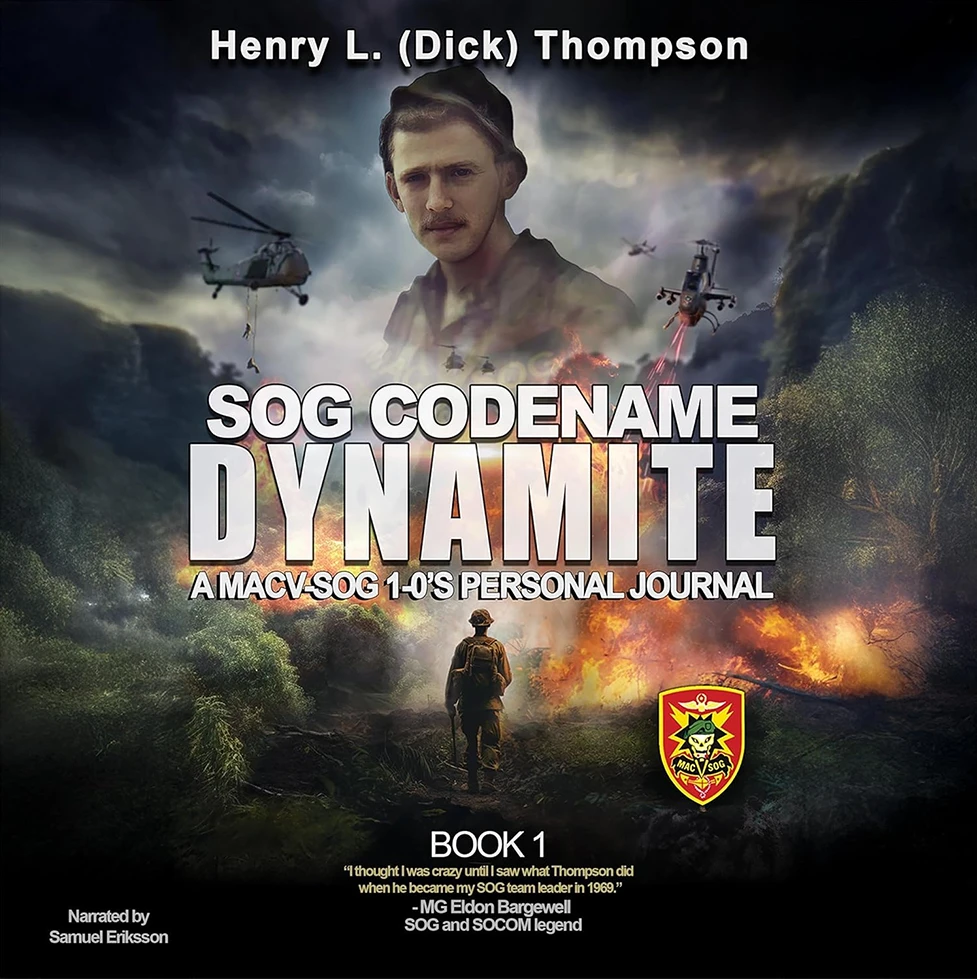
Written by Henry L. (Dick) Thompson, Phd., this audiobook memoir takes listeners on a journey through the true experiences of Lt. Dick Thompson as he takes on highly classified, highly dangerous missions in Laos and Vietnam. Narrated by Sam Eriksson.


 The Great Outdoors!
 Making Music
 MILSIM Games
 Cooking great food!
 Roleplaying Games
 Content Creation
 Yoga, Meditation &